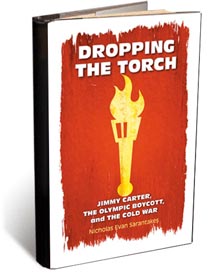
In this book, Sarantakes offers a diplomatic history of the 1980 Olympic boycott. Broad in its focus, it looks at events in Washington, D.C., as well as the opposition to the boycott among the international Olympic movement both in the United States and abroad. He examines not only the diplomatic efforts to stop this gathering, but also how this attempted embargo ultimately affected the athletic contests in Moscow. Jimmy Carter based his foreign policy on assumptions that had fundamental flaws and reflected a superficial familiarity with the Olympic movement. These basic mistakes led to a campaign that failed to meet its basic mission objectives but did manage to insult the Soviets just enough to destroy détente and restart the Cold War. The book also includes a military history of the Soviet invasion of Afghanistan, which provoked the boycott, and an examination of the boycott’s impact four years later at the Los Angeles Olympics, where the Soviet Union retaliated with its own boycott.
Despite the title, this book has an international focus. Sarantakes based his account on a diverse set of records from the Carter White House to minutes of the International Olympic Committee. All in all, he cites material in six different languages (English, French, German, Russian, and Japanese) from over 20 countries.